Flora, fauna, and a field guide you can walk with
Point a live camera at a leaf. Read the card that lands on the photo. Then look up and see which way the trail goes. This page is that walk: greenhouse orchids, one afternoon in Winston-Salem, and the dolphin that already lives on this site.
Predictive Insights AI spends most of its days on forecasts you can explain. Outdoors, the same habit is a field card. Name the plant. Say how it stores water. Keep the place the phone actually recorded. Stop when you have the label.
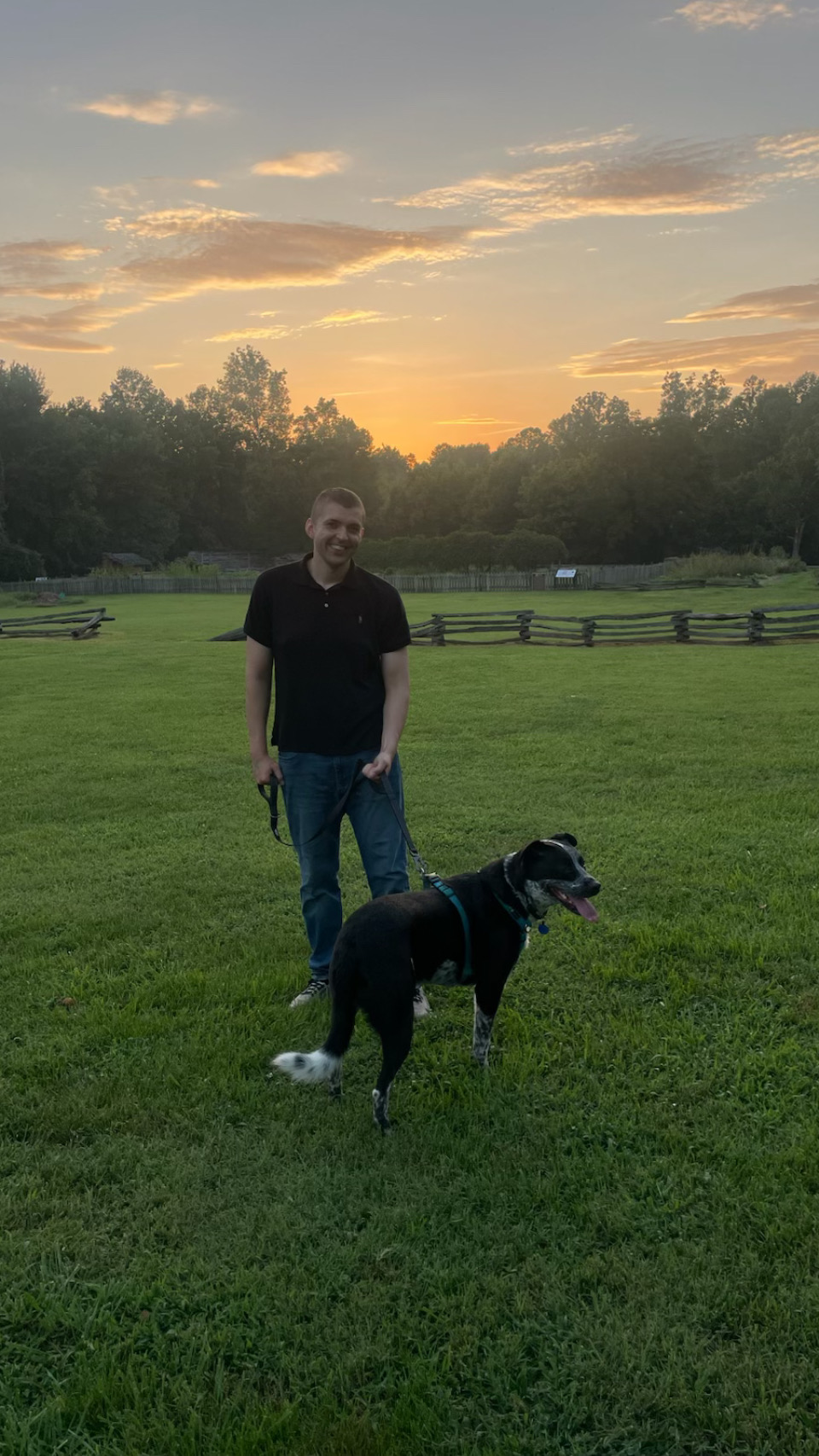
The pictures below are from the assets folder. The greenhouse frames have no coordinates in the file, so those cards say so. The trail frame does. It was made at Historic Bethabara, on God's Acre Cemetery Trail in Oldtown, Winston-Salem, North Carolina, on August 16, 2026, at 8:01 p.m. Eastern.
Wildlife on this page crosses to the dolphin twice: the animal in Clean Ocean, and the Dolphin Uncensored Foundation Model.
Live video, then a label on the photo
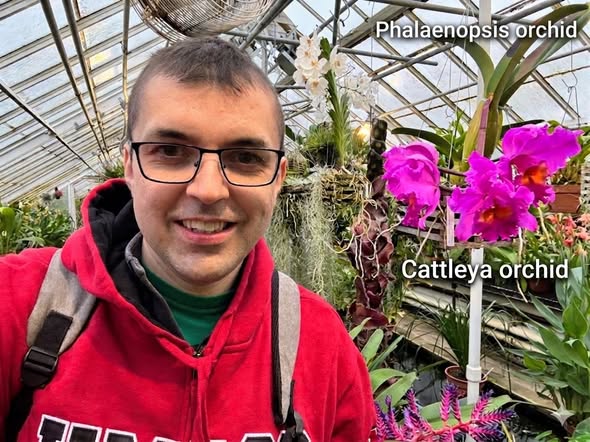
Google Gemini in live video mode stays with the camera while you talk. You fill the frame with one plant and ask a short question: what group is this, and is the storage organ a bulb, a pseudobulb, or a leaf? The useful answer is a few lines, not a lecture. Those lines belong on the picture, where the next person can read them without starting the camera again.
- Open Gemini and start live video. Hold still on one flower, one mount, or one trail blaze.
- Ask for the group, the growth form, and a plain statement when the model is unsure.
- Write three lines on the photo: what it reads as, how it stores water, and where the frame was made.
- If the file has no latitude, write that. A blank place is more honest than a garden name you guessed.
- End the live session when the card is written. The photo keeps the lesson. The stream does not have to.
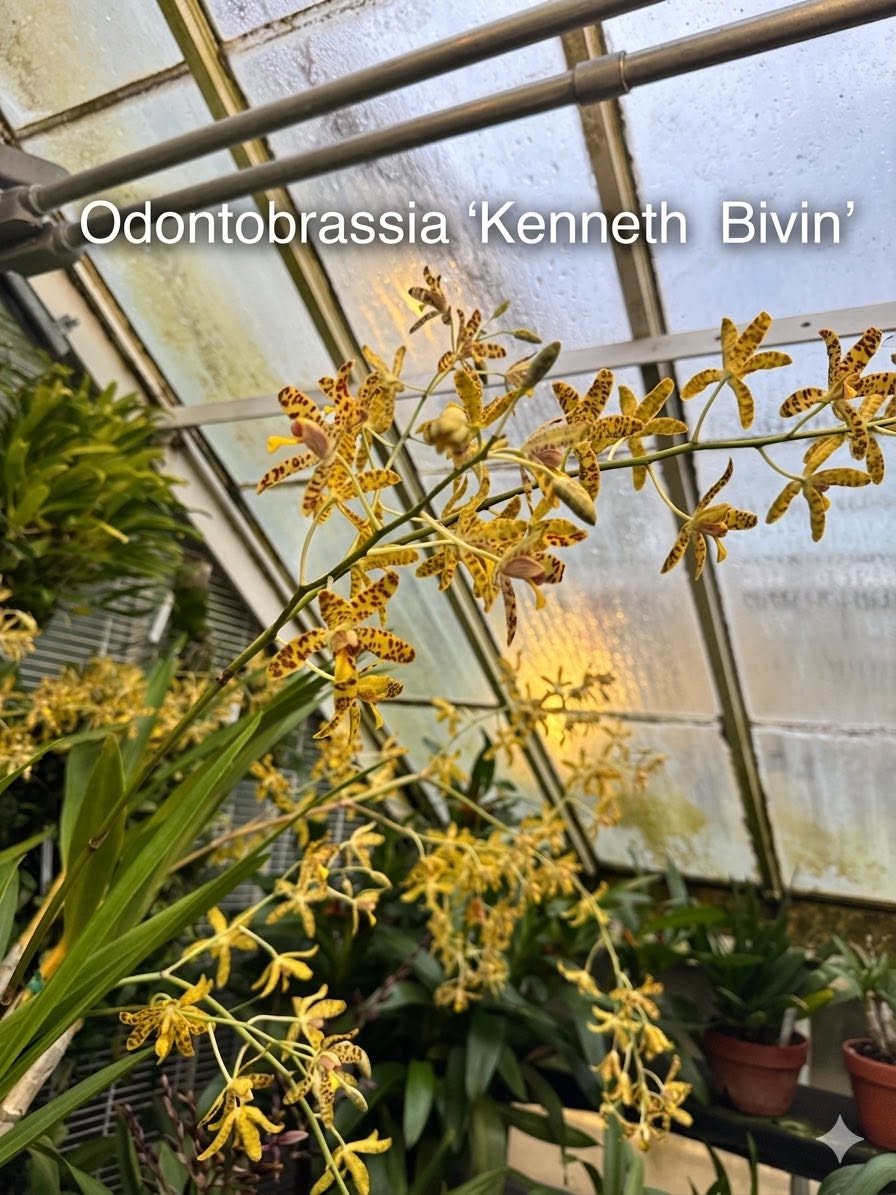
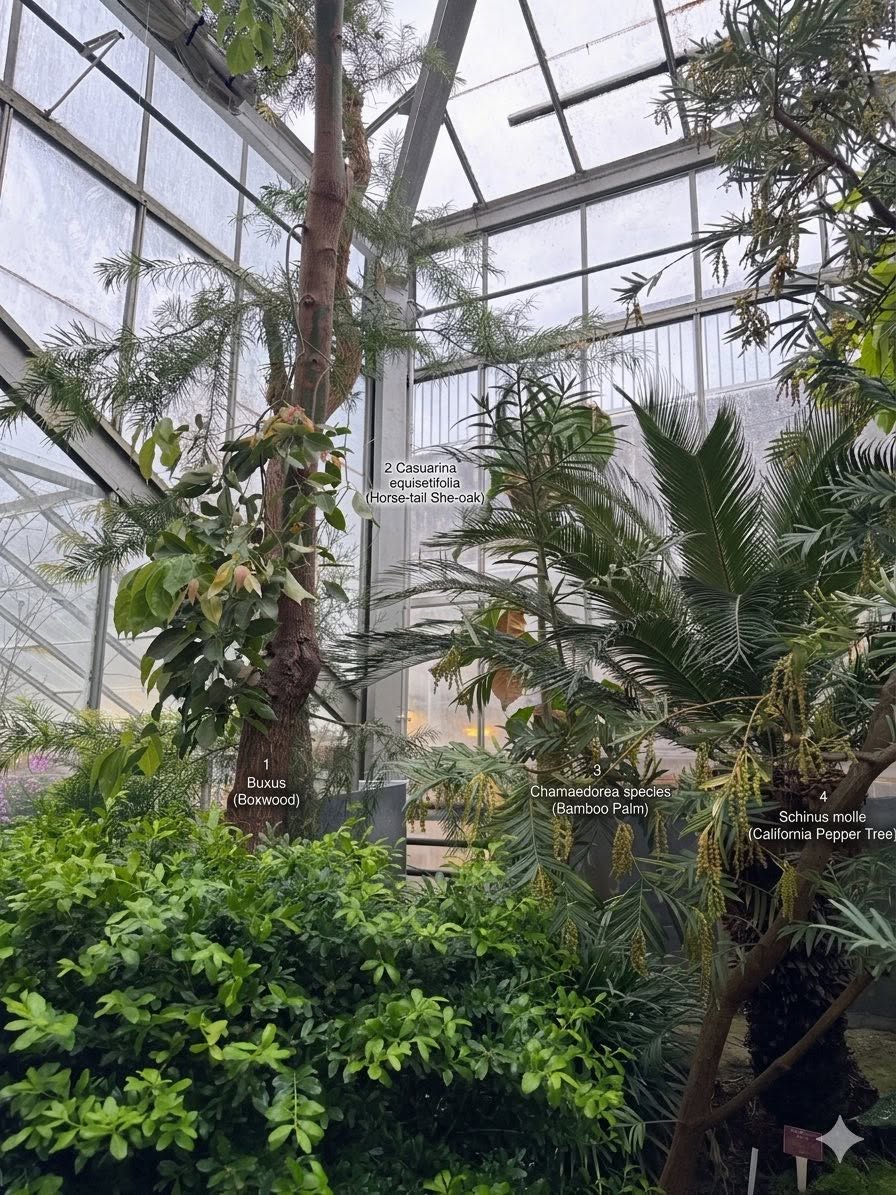
The cards on this page are field readings of these pictures, in that shape. They are for learning how to look. A hand lens and a local flora still decide the species.
Bulbs, pseudobulbs, and plants that skip both
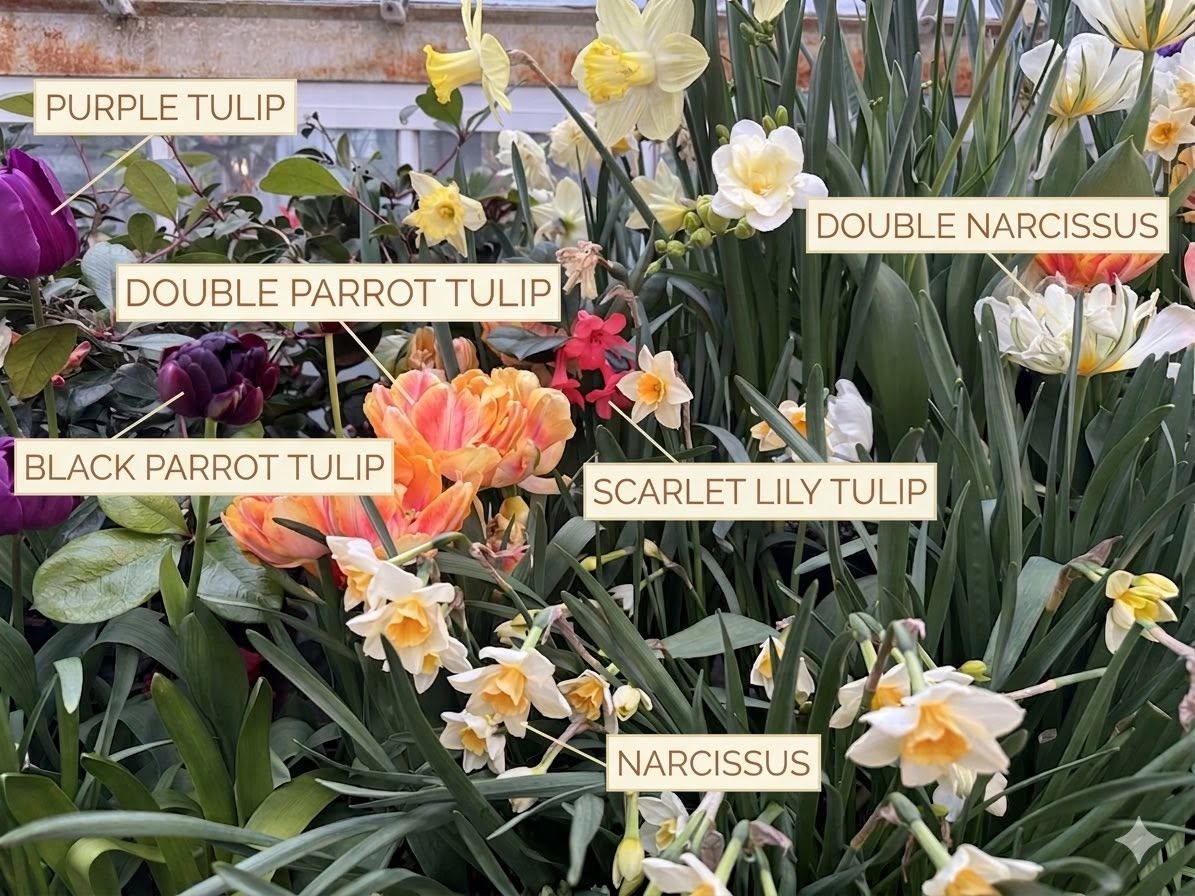
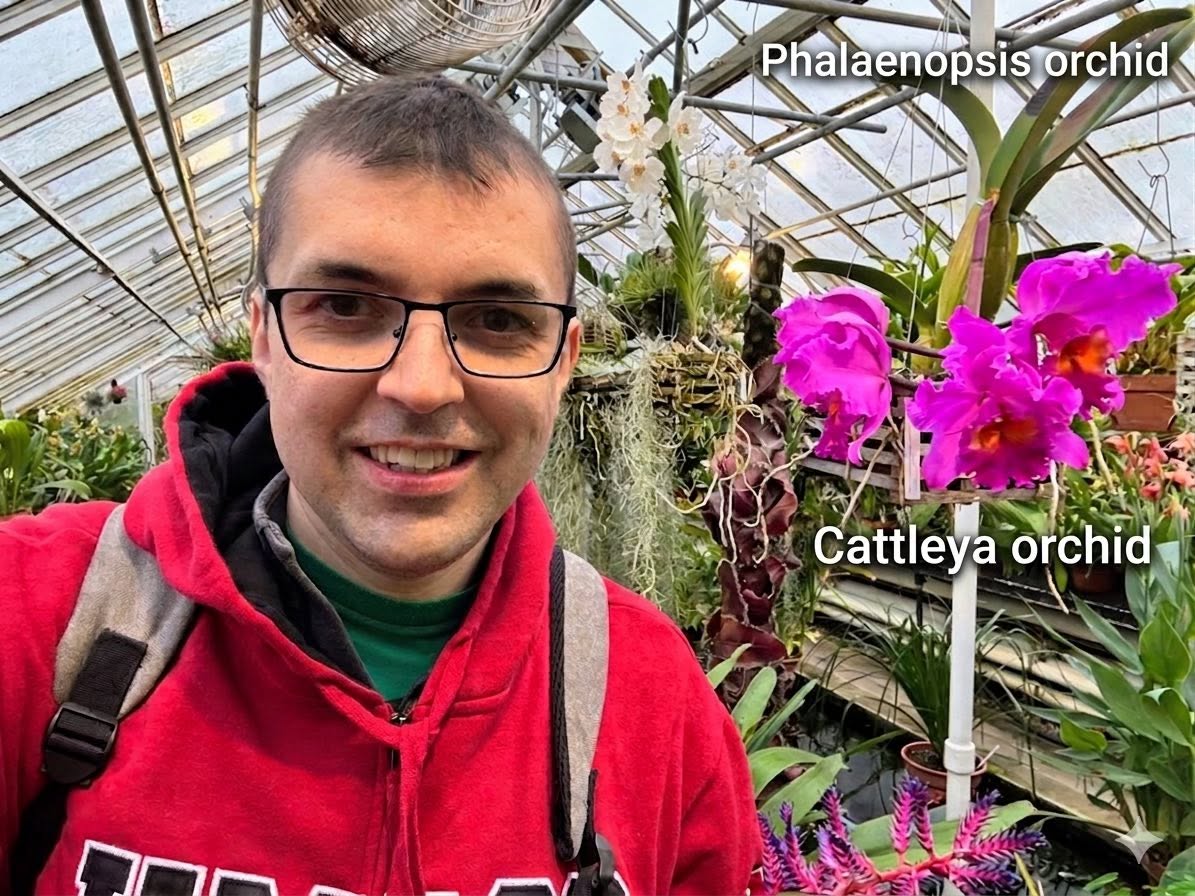
A bulb is a compressed stem wrapped in fleshy leaves, usually underground. Tulips, onions, and lilies keep next year's plant there. A pseudobulb is the orchid version of that idea: a swollen stem joint above the bark, common in the dancing-lady group. A moth orchid skips both. It keeps its water in thick leaves and grows from one upright tip.
In this greenhouse set, the yellow hanging spray reads as a dancing-lady orchid, so the card says pseudobulb. The white moth orchids are marked "no true bulb." The purple sprays sit on arching stems; treat them as cane storage until a closer look. Palms are trunks. Bromeliads are tank rosettes. None of those are bulbs, and the card should not call them bulbs to sound precise.
A friendly way through the frames
Pick a shelf. Plants and flowers are the greenhouse. Outdoors and directions are the Bethabara trail. Animals are the dolphin, in the water and in the weights.
13 cards
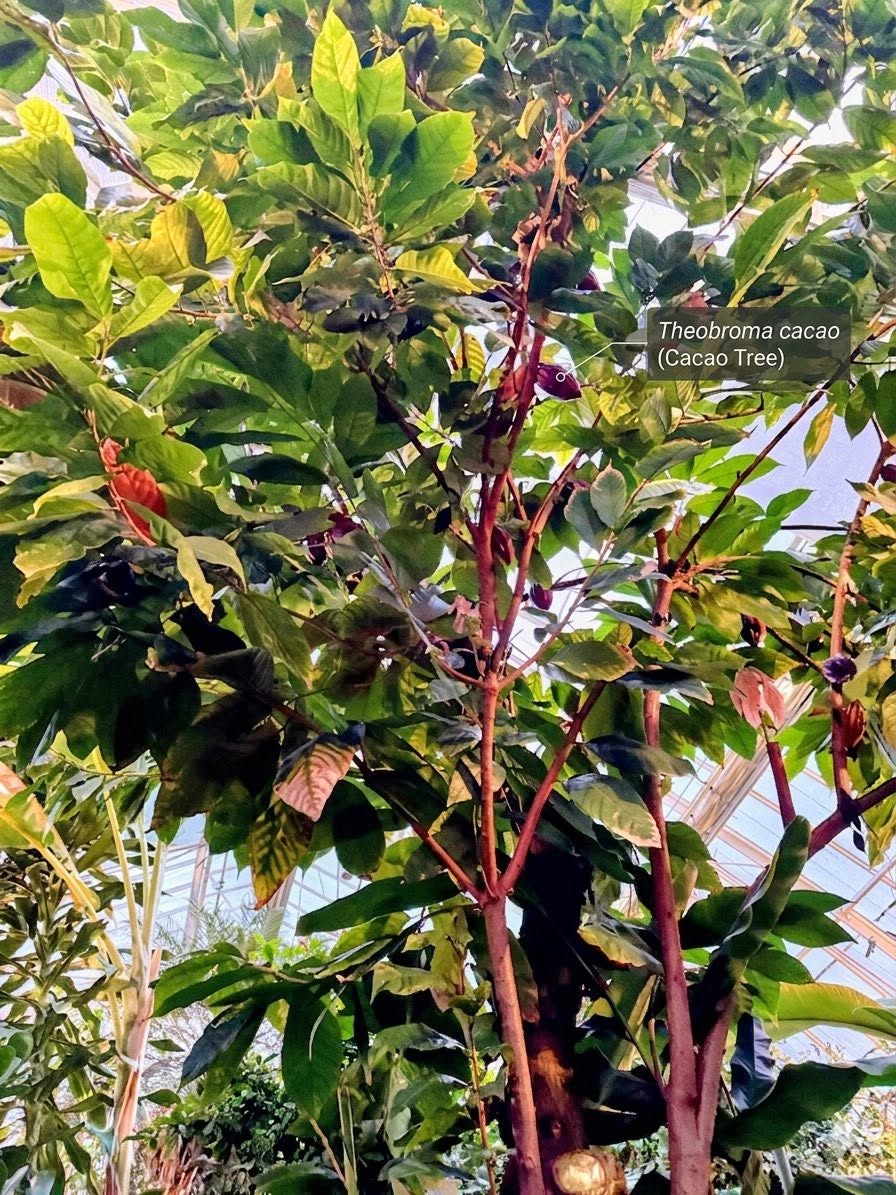
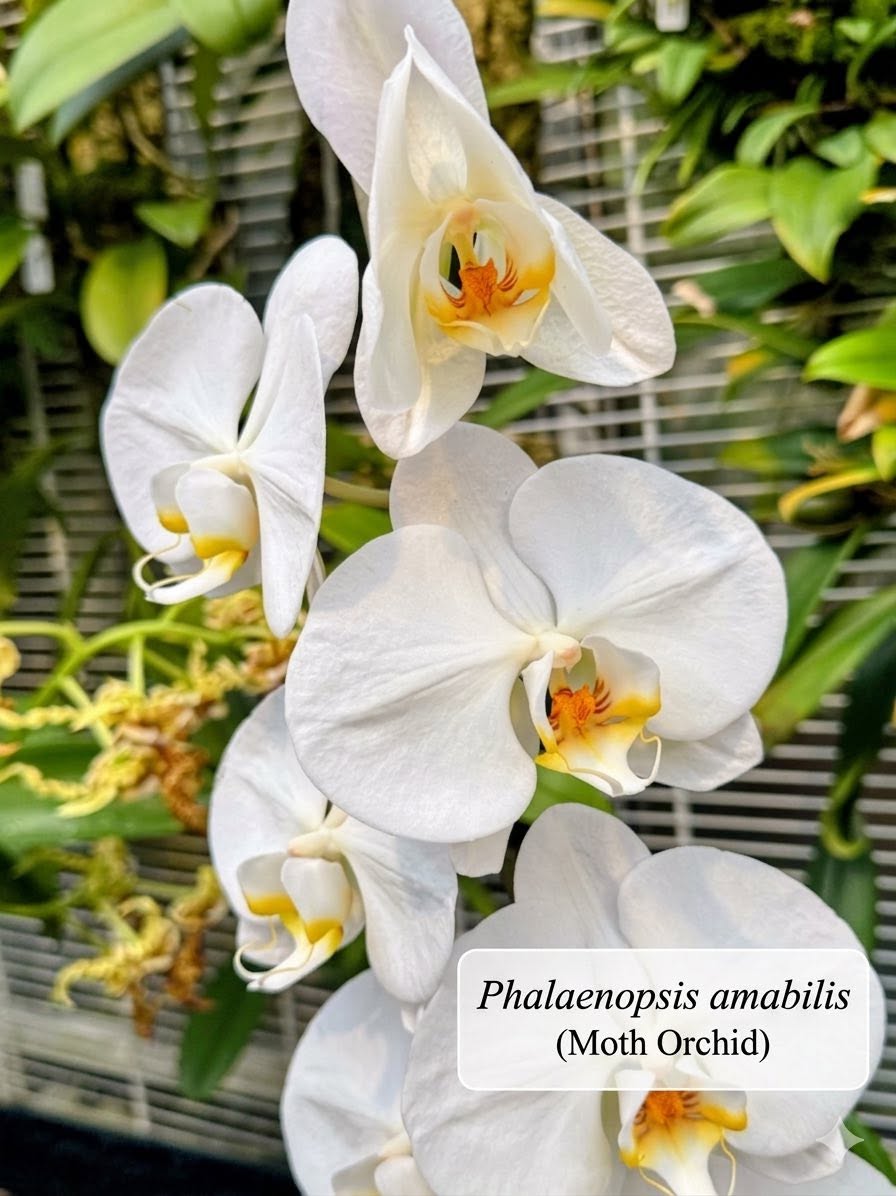
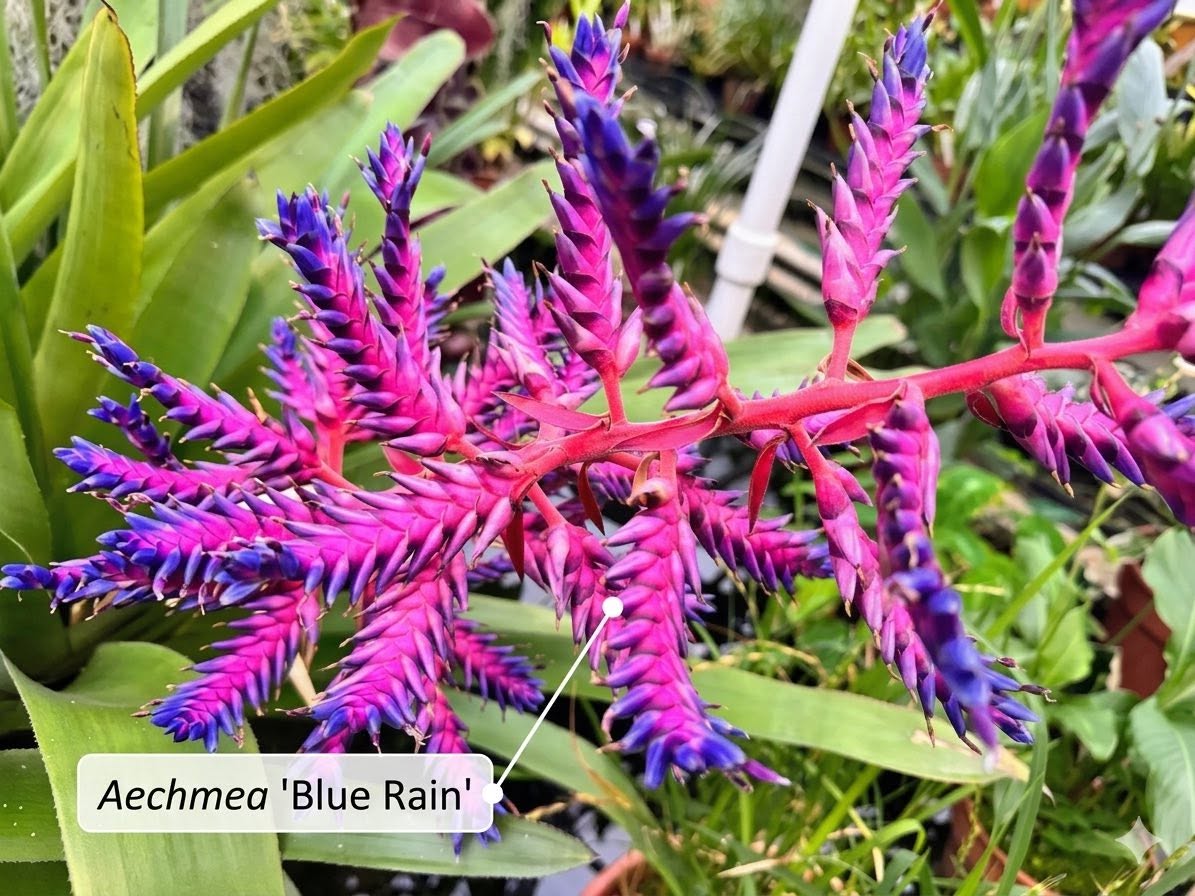
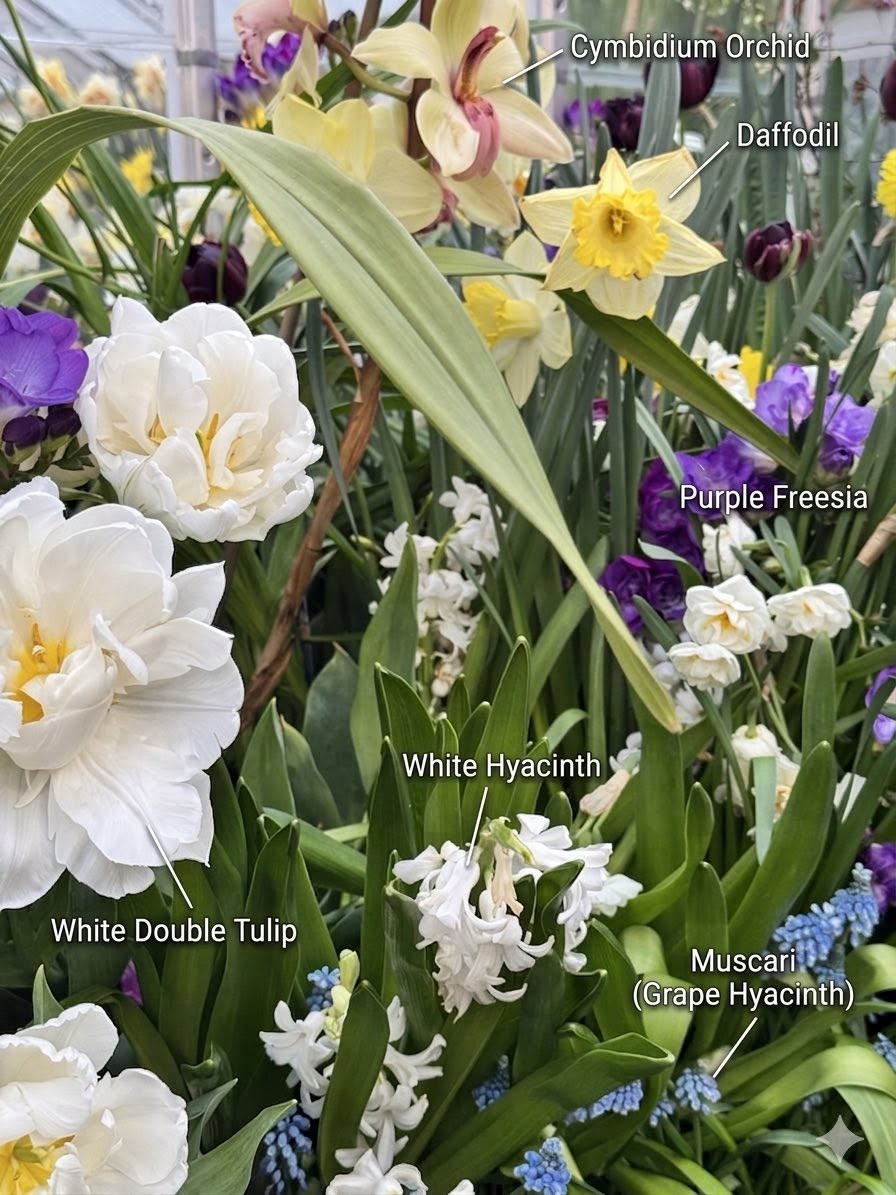
Which way the camera was pointed
287° true. West-northwest, about 17° north of due west.
Stand on God's Acre Cemetery Trail and the phone's heading is the direction the lens faced, not the direction the path "feels." Read the number, then look up.
36.1559° N, 80.2984° W · elevation about 240 m · Forsyth County, North Carolina.
Fauna · the dolphin you let swim
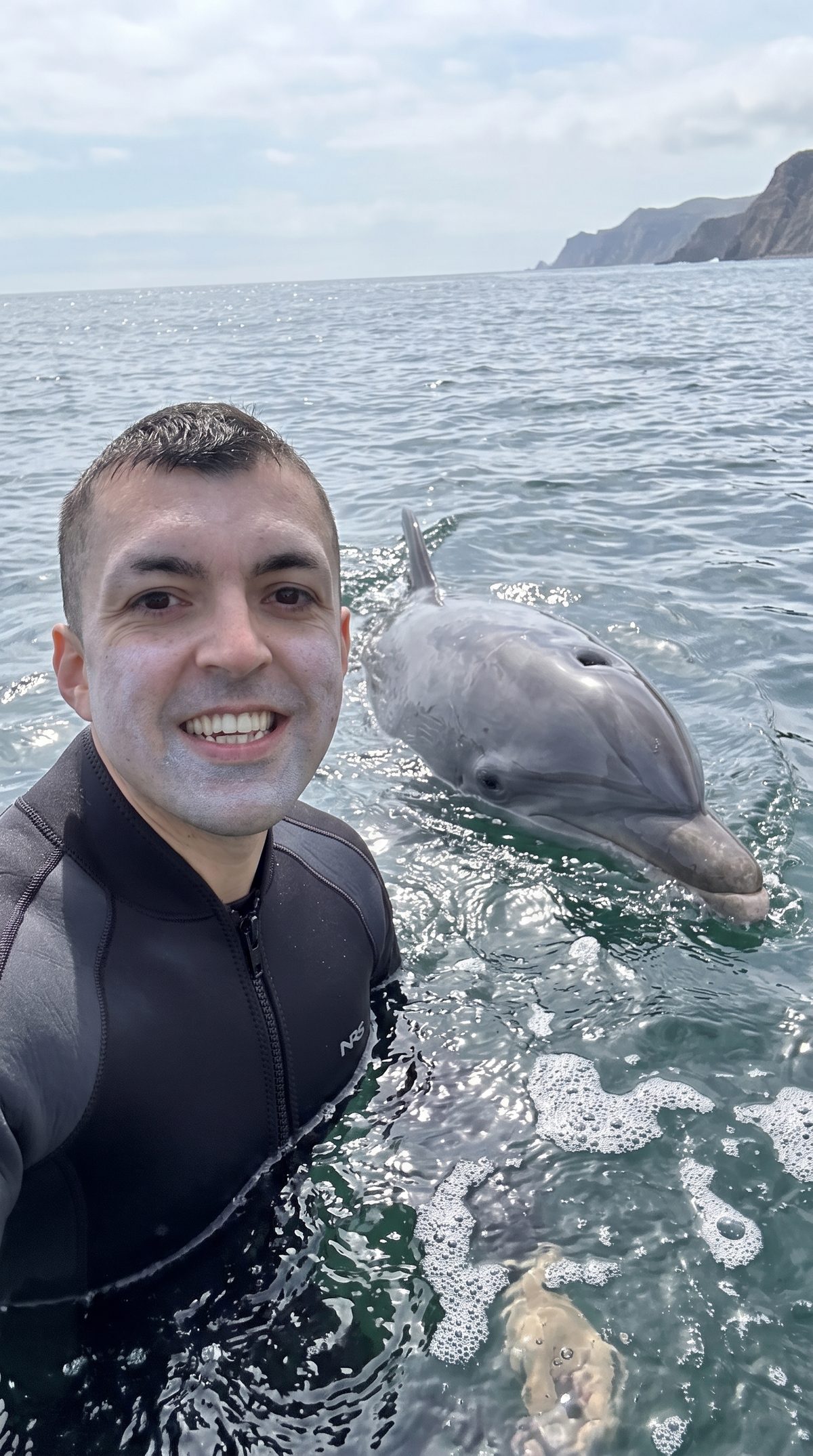
Animals on this walk start in the water. The Clean Ocean filter keeps the clear cases and lets the dolphins go. That is the fauna page: a real dolphin, and a rule you can explain.
Open the Clean Ocean dolphin filterThe Dolphin model
The other dolphin is a foundation model. The Dolphin Uncensored Foundation Model is the weights product: a straight description of what the model will do, separate from Funnel app access.
Notes on dolphin-mistral:7b and dolphin3 sit with the open-source guardrails article. Dolphin clicks as a signal, the animal kind, are in Signal from Noise.
Green energy, and a smaller token
A green AI data token, here, is one field card. It stores a label, a place, and a reminder that the camera can stop. It is a note, not a coin. The expensive part of live video is the stream. The cheap part is the sentence you keep.
| Token | What it keeps | Why it stays small |
|---|---|---|
| Plant card | Group, growth form, and whether a bulb is really there | One plant in the frame. End the live pass when the three lines are written. |
| Place card | Latitude, longitude, elevation, heading, and the time already in the photo | Read the phone you carried. Do not run a second model to invent a trail name. |
| Fauna link | Which dolphin story you opened | A link to work that already exists, instead of another upload of the same ocean. |
Green energy is the same discipline at the plug. Train and serve models on power that can be accounted for, and let a finished label go idle. On the trail the older rule still wins: stay on the path at Bethabara, and leave the orchid on the mount. A name is not a reason to pick the flower.
That fits the rest of this site. Grocery notes already treat waste as a measurement. The outdoor pages can treat compute the same way: spend it where it changes what you do next, then stop.
How to walk with this
In the woods, use the directions card before the flower card. Know which way you are pointed. Then identify. If the live model hesitates, write "unsure" on the photo and keep the specimen in the ground. Wilderness education works when the picture teaches and the place stays put.